Home › Guides › Quick question
quick answerHow do you donate extra breast milk?
The milk bank path, step by step
- Contact an HMBANA bank; a phone screen covers health, medications, and lifestyle.
- Complete a free blood test they arrange.
- Ship or drop off milk frozen within their freshness rules; many banks cover shipping and provide coolers.
Banked milk overwhelmingly goes to hospitalized and premature infants for whom donor milk is closest to medicine, which makes an oversupply genuinely lifesaving.
Informal sharing, stated plainly
Peer-to-peer sharing between families is common and legal, and it skips screening and pasteurization, which is exactly how infections and medications travel. If a family chooses it anyway, the risk-reduction basics are: know the donor personally, ask about medications and testing, and home-pasteurize. The AAP and FDA recommend against feeding unscreened donor milk from the internet, and this page will not pretend otherwise.
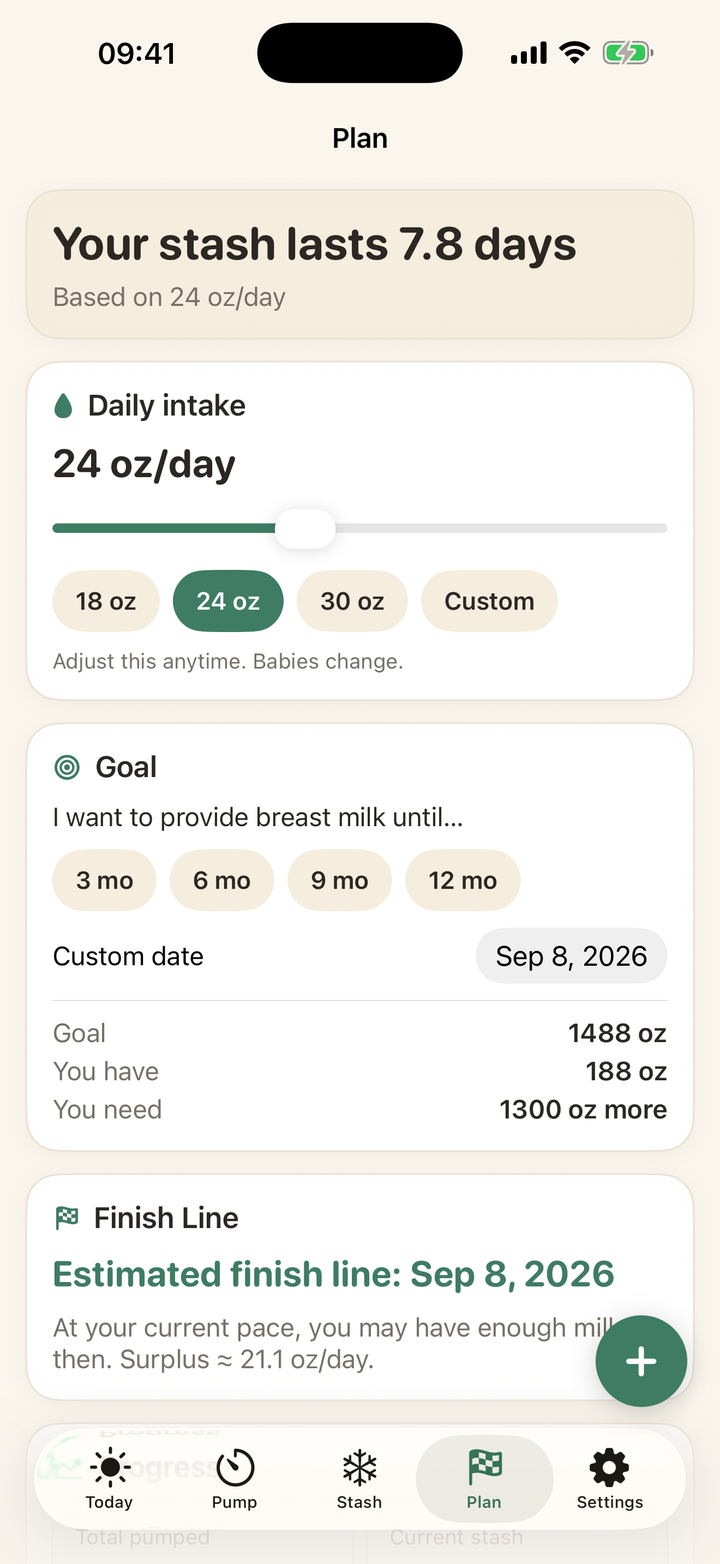
In Milk First
Set your baby's daily intake and your goal date once: the app shows how many days your stash covers and your estimated Finish Line, the date you could stop pumping, updated with every session you log.
Milk First keeps every date, clock, and rule from this page automatic, so 3 AM you never has to remember any of it.
Get Milk First free